


.png)
Music in Media, Part I: Movies
- christopherlandry

- May 2, 2020
- 3 min read
Create a blog post subtitle that summarizes your post in a few short, punchy sentences and entices your audience to continue reading.

Sound design has played a pivotal role in visual media like movies and television since their inception. One of the most notable aspects of this element of filmmaking is the use of music. Today, we’ll be exploring the different ways that music has been used in film.
When creating the soundtrack to a movie, filmmakers have two options. They can use an original film score, or purchase the rights to existing licensed music. Often, films will utilize a mix of original and licensed music throughout their soundtrack.
On the far end of the original music side is the movie musical. These are usually made up entirely of original music, with little to no use of any existing songs. Examples of original songs written for a musical include “Somewhere over the Rainbow” for The Wizard of Oz, "Have Yourself a Merry Little Christmas" for Meet me in St. Louis, and “A Whole New World” for Disney’s Aladdin.

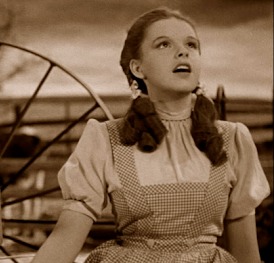


Outside of musicals, it was much more common for movies to have instrumental scores. These served to provide an auditory cue for the audience to react to; either with excitement, sadness, or shock. The advantage to original music is clear: rather than try to create a scene that fits a song, you can create a song that fits the scene. Some of the most iconic examples are themes for characters. While there are several talented composers who have created masterful themes throughout the years, there’s one clear standout.

John Williams is known for creating unforgettable themes for franchises such as Star Wars, Superman, Harry Potter, Indiana Jones, and Jaws. Right now, you can probably hum along any of the themes for those franchises, even if you haven’t seen them in a while. In fact, many of these themes are so beloved that it’s hard to imagine the franchises without them. It’s near impossible to imagine a shark fin creep towards an unsuspecting surfer without hearing Williams’ iconic Jaws theme in your head.
As excellent as Willliams is at composing original scores for movies, many other composers found it hard to replicate his success. As Williams’ career was beginning to take off, many studios began turning to artists and asking them to write original music for their films. There was a precedent for this in musicals, but it was rare for a contemporary singer to write a song, or even an entire soundtrack, for a movie.




In the early 70’s and 80’s, however, this became a staple of movies from all genres. Some of the most iconic uses of music in movies are a result of filmmakers commissioning artists to create a song for them. “Stayin’ Alive” was written for Saturday Night Fever, “Eye of the Tiger” was written as the theme for Rocky III, and “Don’t You Forget about Me” was written for The Breakfast Club.
While this trend was most prolific during this time, it didn’t completely fizzle out. Artists continued to write original music for film scores throughout the 90’s. “My Heart Will Go on” was written for the 1997 smash hit Titanic and “You’ve Got a Friend in Me” was written for the wildly popular 1995 Pixar film Toy Story.
This trend of artists writing original music for movies is beginning to see a resurgence. Such songs as “See You Again” which was written for Furious 7 and “All the Stars” which was written for Black Panther show that original music as a part of a film score is still alive and well. Williams-style themes remain popular as well. One notable composer, Hans Zimmer, has written themes and scores for such movies as The Lion King, Inception, and Interstellar.





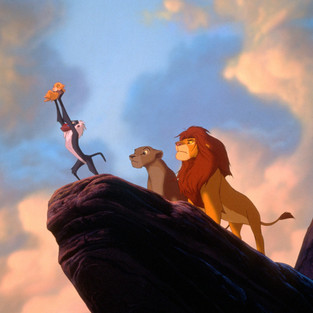
However, over the last few years, we have begun to see a shift in the use of music in film. Pre-existing licensed music has seen a rise in use, particularly in the mega-popular superhero genre. Movies like Deadpool, Birds of Prey, Guardians of the Galaxy, and Thor: Ragnarok all use music that audiences are familiar with - from classic rock to modern gangster rap. Despite having original pieces in their score, other hit movies like Once upon a Time in Hollywood or Knives Out make incredibly heavy use of existing licensed music.
So, where did this recent trend come from? Why has film leaned so heavily into licensed music, even when they also have composers or artists writing original music? Surprisingly, the answer comes from television. Next time, we’ll explore the ways in which licensed music was popularized in visual media through television.

Comments